What documents are commonly required for online unsecured personal loans?
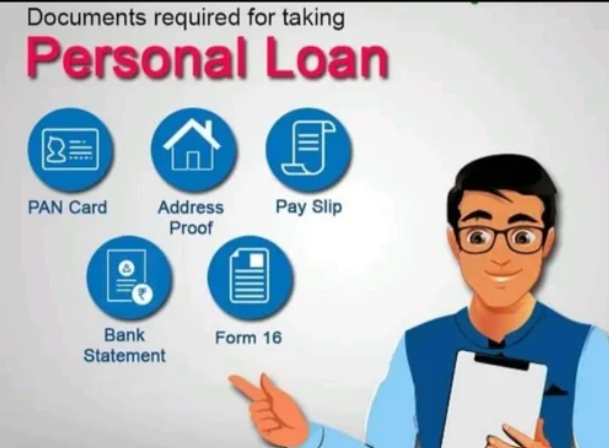
Applying for an online unsecured personal loan has become faster and more convenient than ever. Since these loans do not require you to pledge any collateral, lenders primarily evaluate your identity, income, employment stability, and repayment capacity before approving your application. Having the required documents ready can significantly speed up the approval and disbursement process. Below are the documents that are commonly required for online unsecured personal loans. 1. Identity Proof The first requirement is a valid identity proof to verify the applicant’s identity. Commonly accepted documents include: * Aadhaar Card* PAN Card* Passport* Voter ID* Driving Licence Among these, the PAN Card is generally mandatory for financial verification, while Aadhaar is widely used for digital KYC. 2. Address Proof Lenders also require proof of your current residential address. Acceptable documents may include: * Aadhaar Card * Passport * Utility bills (electricity, gas, or water) * Rental agreement (if applicable) * Driving Licence * Bank statement showing your address Providing accurate address details helps lenders complete verification smoothly. 3. Income Proof Income verification is one of the most important requirements for an unsecured personal loan because it helps lenders determine your repayment ability. For salaried applicants, lenders usually ask for: * Salary slips for the last 3–6 months * Salary account bank statements * Form 16 (if required) For self-employed individuals, the required documents may include: * Income Tax Returns (ITR) * Profit and Loss Statement * Balance Sheet * Business proof * Recent bank statements 4. Bank Statements Most lenders require bank statements for the last 3 to 6 months. These statements help verify: * Salary or business income * Monthly expenses * Existing loan repayments * Financial stability Maintaining a healthy banking history can improve your chances of approval. 5. Employment or Business Proof Depending on your employment type, lenders may ask for: For salaried applicants: * Employee ID card * Appointment letter * Employment certificate For self-employed applicants: * GST Registration * Shop Establishment Certificate * Business Registration Certificate * Professional Practice Certificate These documents establish your employment or business continuity. 6. PAN Card The PAN Card is essential because it enables lenders to verify your financial records and credit profile. It is also mandatory for most loan applications in India. 7. Passport-Size Photograph Although many online applications use digital photographs through e-KYC, some lenders may still request a recent passport-size photograph during the verification process. 8. Credit Score Verification While this is not a physical document, lenders usually check your credit score through authorized credit bureaus. A good credit score improves your chances of quick approval, better loan amounts, and competitive interest rates. Tips to Ensure Faster Loan Approval To improve your chances of obtaining an online unsecured personal loan: * Keep all KYC documents updated. * Maintain a good credit score. * Ensure your bank statements reflect stable income. * Avoid errors in your application. * Upload clear and legible scanned copies of your documents. * Apply only if you meet the lender’s eligibility criteria. Conclusion Online unsecured personal loans offer a simple and convenient borrowing experience with minimal paperwork. Typically, you will need identity proof, address proof, income proof, bank statements, PAN Card, employment or business proof, and basic KYC documents. Preparing these documents in advance can help reduce processing time and increase the likelihood of quick approval. If you’re looking for guidance in comparing loan options or connecting with suitable lending partners, Capexloan.com can assist you throughout the loan application process. Their experienced team helps borrowers understand eligibility requirements, documentation needs, and available loan options, making the journey toward securing an online unsecured personal loan more efficient and hassle-free.
What Is the Minimum Period for the Preclosure of a Home Loan?

A common question among borrowers is, “What is the minimum period for the preclosure of a home loan? ” The answer depends on the lender’s policies, the type of loan, and the terms mentioned in your loan agreement. Understanding the preclosure rules can help you save on interest costs and plan your finances more effectively. What Is Home Loan Preclosure? Home loan preclosure means repaying the entire outstanding loan amount before the scheduled tenure ends. Once the loan is fully repaid, the lender closes the loan account, and the borrower is released from future EMI obligations. Many borrowers choose preclosure after receiving a salary hike, bonus, inheritance, or proceeds from the sale of another property. Closing a home loan early can significantly reduce the total interest paid over the loan tenure. Is There a Minimum Period for Home Loan Preclosure? There is no universal minimum period applicable to all home loans in India. The minimum period for preclosure depends on the lender’s internal policies and the terms agreed upon when the loan was sanctioned. Generally: Therefore, borrowers should always read the loan agreement carefully or confirm the preclosure conditions with their lender before planning an early repayment. Are There Any Preclosure Charges? The charges depend on the type of interest rate: Floating Rate Home Loans For individual borrowers, floating-rate home loans generally do not attract preclosure charges, as per regulatory guidelines followed by most lenders. Fixed Rate Home Loans Some lenders may levy a prepayment or preclosure charge on fixed-rate home loans. The exact percentage varies from one lender to another and should be checked before closing the loan. Benefits of Preclosing a Home Loan Preclosing your home loan offers several financial advantages: However, before opting for preclosure, ensure that you maintain an adequate emergency fund and do not exhaust all your savings. Should You Preclose Your Home Loan Early? The decision depends on your financial situation. Consider preclosure if: You have surplus funds. On the other hand, if your home loan carries a relatively low interest rate and your investments are generating higher returns, continuing the loan while investing the surplus may sometimes be a better financial strategy. How Can Capex Loan Help? If you are comparing home loan options or planning a balance transfer, Capexloan.com can assist borrowers in understanding lender policies, comparing interest rates, evaluating repayment options, and identifying suitable loan solutions. Professional guidance can help you make an informed decision about whether preclosure is financially beneficial in your specific situation. Final Thoughts There is no fixed minimum period for the preclosure of a home loan across all lenders. While many lenders permit preclosure at any stage after loan disbursement, some may impose a lock-in period of 6–12 months depending on their policies. Always review your loan agreement and discuss the terms with your lender before making a preclosure decision. If planned wisely, preclosing a home loan can reduce your overall interest burden, improve your financial stability, and help you become debt-free sooner. Before proceeding, compare the savings, applicable charges, and your long-term financial goals to determine whether early loan closure is the right choice for you.
What are the advantages of taking a personal loan from a cooperative bank?

A personal loan from a cooperative bank can be an excellent financial solution for individuals who need funds for medical emergencies, home renovations, education, weddings, debt consolidation, or other personal expenses. Cooperative banks are known for their customer-centric approach, competitive interest rates, and personalized services. Unlike many large commercial banks, they often focus on serving local communities, making borrowing more accessible and convenient. Here are the key advantages of taking a personal loan from a cooperative bank. 1. Competitive Interest Rates One of the biggest advantages of cooperative banks is that they often offer competitive interest rates compared to many private financial institutions. Lower interest rates reduce the overall cost of borrowing, allowing borrowers to manage their EMIs more comfortably. 2. Flexible Eligibility Criteria Cooperative banks generally have more flexible eligibility requirements. Salaried employees, self-employed individuals, pensioners, and small business owners may find it easier to qualify for a personal loan, especially if they have an existing relationship with the bank. 3. Faster Loan Processing Many cooperative banks provide quick approval and disbursal for eligible applicants. Since they primarily serve local customers, the verification process is often simpler, helping borrowers receive funds faster during urgent financial needs. 4. Personalized Customer Service Unlike large banks that handle a high volume of customers, cooperative banks usually offer a more personalized banking experience. Loan officers often understand the financial background of local customers and can provide guidance throughout the loan process. 5. Flexible Repayment Options Most cooperative banks offer flexible repayment tenures, enabling borrowers to choose an EMI plan that matches their monthly income and financial goals. This flexibility helps reduce repayment stress and improves financial planning. 6. Minimal Documentation Another major advantage is the simplified documentation process. Existing account holders may only need to submit basic identity, address, income, and employment proofs, making the loan application smooth and hassle-free. 7. Community-Focused Banking Cooperative banks are established to serve the interests of their members and local communities. Their focus is often on customer welfare rather than maximizing profits, which can result in better customer support and transparent lending practices. 8. Ideal for Small and Medium Loan Requirements If you need a moderate loan amount for personal expenses, cooperative banks can be an ideal choice. They often cater to borrowers looking for practical loan amounts without unnecessary complications. When comparing different lenders, it’s also worth exploring trusted financial service providers such as Capex Loan, which helps borrowers understand loan options, compare lenders, and choose financing solutions that suit their financial needs. Evaluating multiple options, including Capex Loan, can help you find competitive interest rates, flexible repayment terms, and a loan that aligns with your repayment capacity. 9. Transparent Charges Cooperative banks generally maintain transparency regarding processing fees, interest rates, prepayment charges, and other loan-related costs. Borrowers should always review the loan agreement carefully before signing. 10. Builds Credit History Timely repayment of a personal loan from a cooperative bank contributes positively to your credit score. A strong credit history can improve your eligibility for future loans such as home loans, vehicle loans, or business loans at better interest rates. Final Thoughts Taking a personal loan from a cooperative bank offers several benefits, including affordable interest rates, flexible eligibility, personalized customer service, simplified documentation, and convenient repayment options. These banks are particularly beneficial for borrowers seeking a community-focused banking experience with transparent lending practices.Before applying, compare interest rates, processing fees, repayment tenure, and eligibility criteria across multiple lenders. Whether you choose a cooperative bank or explore financing solutions through Capexloan.com, selecting the right lender based on your financial requirements and repayment capacity will help you borrow responsibly and achieve your financial goals with confidence.
How do you compare personal loan eligibility criteria across major lenders?
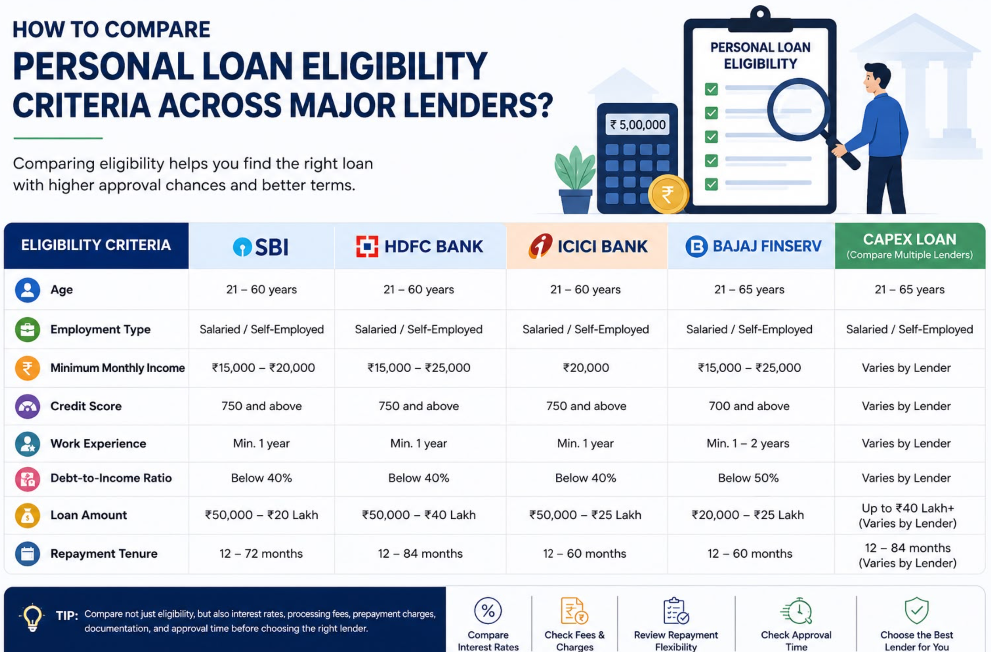
When comparing personal loan eligibility criteria across major lenders, it is important to understand that no two financial institutions follow exactly the same approval process. While most banks and NBFCs evaluate similar factors, the weight given to each criterion differs. Comparing lenders before applying can improve your chances of approval and help you secure better interest rates and repayment terms. The first factor to compare is age eligibility. Most lenders require applicants to be between 21 and 60 years of age, although some extend the maximum age to 65 years for salaried professionals or pensioners. Younger applicants with stable employment generally have a better chance of qualifying. The second criterion is employment type. Banks typically offer personal loans to both salaried and self-employed individuals. Salaried applicants are often expected to have a minimum work experience of 6–12 months with their current employer, while self-employed individuals may need to demonstrate at least 2–3 years of business continuity. Lenders also prefer applicants working with reputed organizations or running stable businesses. Monthly income is another major deciding factor. Every lender has a minimum income requirement, which varies depending on the city, profession, and employer category. Applicants with higher and consistent incomes are generally eligible for larger loan amounts and better interest rates. Comparing these income requirements across lenders helps identify institutions that best match your financial profile. Your credit score plays a significant role in determining eligibility. Most leading lenders prefer a credit score of 750 or above for quicker approvals and competitive interest rates. However, some NBFCs may consider applicants with slightly lower scores, although the loan may come with higher interest rates or stricter terms. Before applying, it is advisable to check your credit report and correct any inaccuracies. Another important aspect is the debt-to-income (DTI) ratio. Lenders assess your existing financial obligations, including home loans, car loans, and credit card EMIs. A lower DTI ratio indicates better repayment capacity and improves your chances of approval. If your monthly obligations already consume a large portion of your income, lenders may reduce the eligible loan amount or reject the application. Many borrowers also compare lenders based on loan amount eligibility and repayment flexibility. Some lenders offer loans starting from ₹50,000, while others provide up to ₹40 lakh or more depending on your income profile. Repayment tenures generally range between 12 months and 7 years, allowing borrowers to choose EMIs that suit their budget. If you are exploring financing options, platforms like CapexLoan.com can help borrowers compare personal loan offerings from multiple lenders based on eligibility, documentation, interest rates, and approval timelines. This comparison simplifies the loan selection process and helps applicants find a suitable option without applying to multiple lenders individually. Apart from eligibility, compare processing fees, prepayment charges, foreclosure policies, and documentation requirements. Some lenders provide instant digital approvals with minimal paperwork, while others require additional verification. These differences can affect both the speed and overall cost of borrowing. In conclusion, comparing personal loan eligibility criteria across major lenders involves evaluating factors such as age, income, employment stability, credit score, existing liabilities, loan amount, tenure, and associated charges. Rather than focusing solely on interest rates, borrowers should assess the complete eligibility requirements to improve approval chances and choose the lender that best fits their financial situation. Taking the time to compare these factors can lead to a smoother borrowing experience and more affordable repayment over the life of the loan.
What is the maximum personal loan amount I can be eligible for?
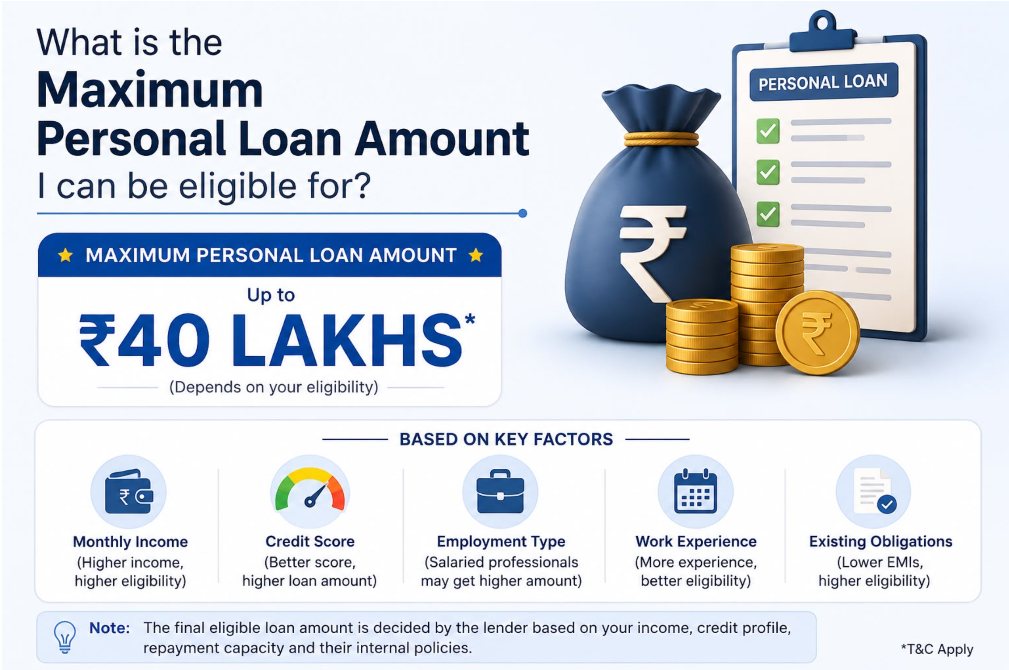
Maximum Personal Loan Amount Eligibility in India (2026) The maximum personal loan eligibility in India varies by lender, borrower profile, and income type. Currently: Borrower Type Maximum Unsecured Personal Loan Salaried Individuals Up to ₹40 lakhs Self-Employed Professionals Up to ₹50 lakhs Some NBFCs and fintech lenders offer even higher limits (up to ₹50 lakhs) for candidates with strong credit profiles, while public sector banks typically cap at ₹10–₹20 lakhs. Key Factors That Determine Your Personal Loan Eligibility Maximum Loan Limits by Lender Type Lender Type Maximum Amount Conditions Public Sector Banks ₹10–₹20 lakhs High CIBIL + steady income Private Banks ₹30–₹40 lakhs Premium income category NBFCs & Fintechs ₹25–₹50 lakhs Flexible but higher interest Digital Lenders ₹1–₹10 lakhs Fast disbursal, low-ticket loans How to Increase Your Personal Loan Eligibility Final Takeaway There is no fixed RBI limit on personal loan amounts—limits depend on lender policies and your financial profile. With a strong credit score and high income, you can qualify for up to ₹50 lakhs as a self-employed professional or ₹40 lakhs as a salaried individual. To know your exact eligibility, use your bank’s personal loan eligibility calculator and check pre-approved offers.
Can I use home loan overdraft for anything?
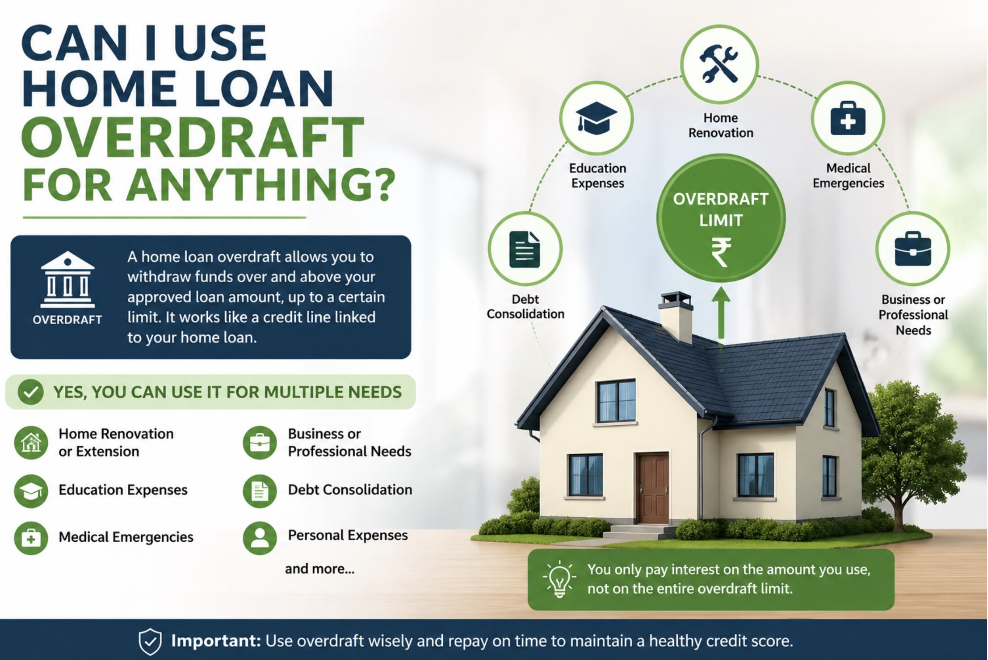
A home loan overdraft facility offers remarkable flexibility, but can you use it for anything? The short answer is no—while it’s highly versatile, there are important restrictions on how you can use the funds. What Is a Home Loan Overdraft? A home loan overdraft is a specialized financial product that combines a traditional home loan with the flexibility of an overdraft account. Once approved, the sanctioned amount sits in an overdraft-linked account, and you can withdraw surplus funds as needed. Interest is charged only on the amount withdrawn, not the entire limit. Permitted Uses for Home Loan Overdraft Funds You can use home loan overdraft funds for various personal and professional needs, including: Use Case Description Home renovations Repair, upgrade, or customize your property Medical emergencies Cover unexpected healthcare costs Education expenses Pay for tuition, exams, or study abroad Business needs Fund professional requirements or investments Emergency fund Handle cash flow shortages or unforeseen expenses Household expenses Rent, utility bills, insurance premiums The overdraft facility gives borrowers freedom to withdraw as needed, similar to a regular overdraft account. Restricted Uses: What You Cannot Do Despite its flexibility, home loan overdraft funds cannot be used for speculative or restricted purposes. Common restrictions include: ICICI Bank explicitly states: “OD funds cannot be used for speculative or restricted purposes”. Key Differences from Regular Home Loans Unlike traditional term loans where you receive a lump sum upfront, overdraft works like a revolving line of credit. You deposit surplus funds to reduce interest, then withdraw when needed. This makes it ideal for borrowers with irregular income or frequent cash flow volatility. Important Considerations Get Expert Guidance Understanding what you can and cannot do with overdraft funds is crucial. For personalized advice on choosing the right facility and optimizing usage, consult Capex Finvest Services Pvt Ltd. Their experts help borrowers navigate overdraft terms, avoid restrictions, and maximize flexibility. Final Answer No, you cannot use home loan overdraft for anything. While it covers most personal and professional needs—renovations, medical emergencies, education, business expenses, and household costs—it excludes speculative investments, gambling, and restricted purposes. Always check your lender’s specific terms before using the funds. With proper planning and guidance from professionals like Capexloan.com staying within permitted usage boundaries.
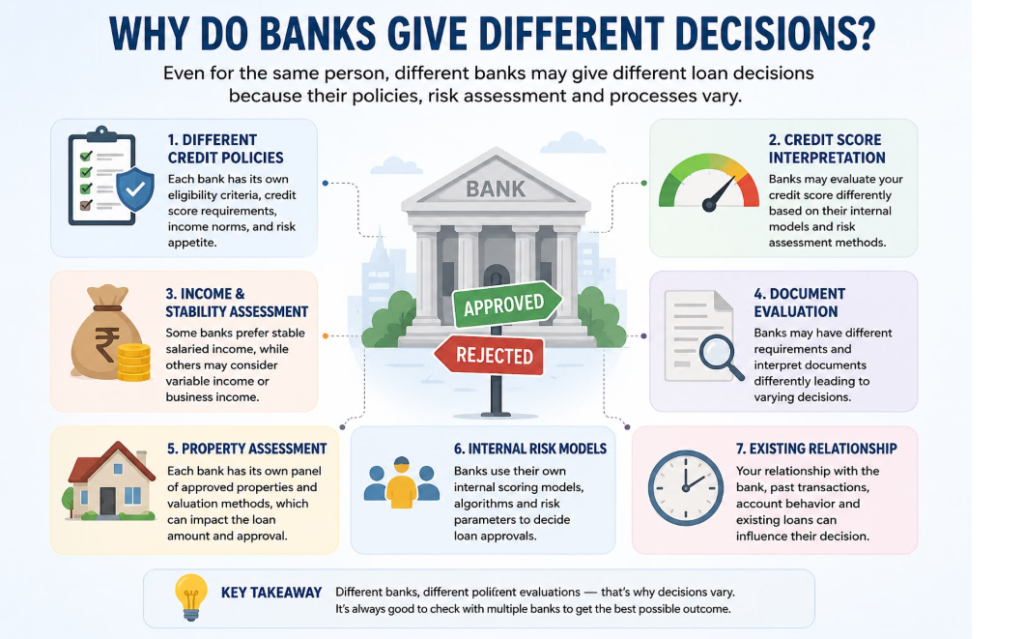
Why do banks give different decisions?
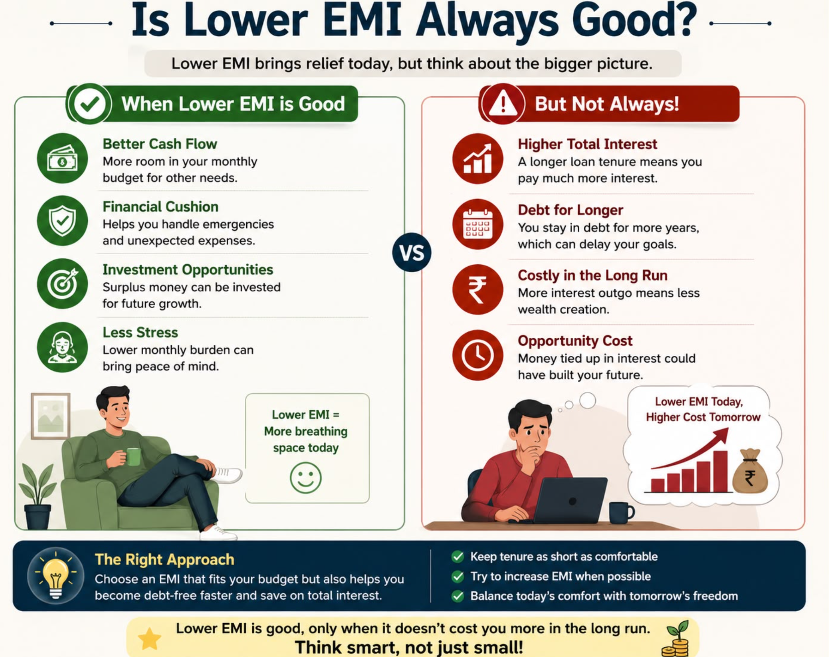
Is lower EMI always good?
What if I sell property within 5 years?
What happens to my home loan if I die?